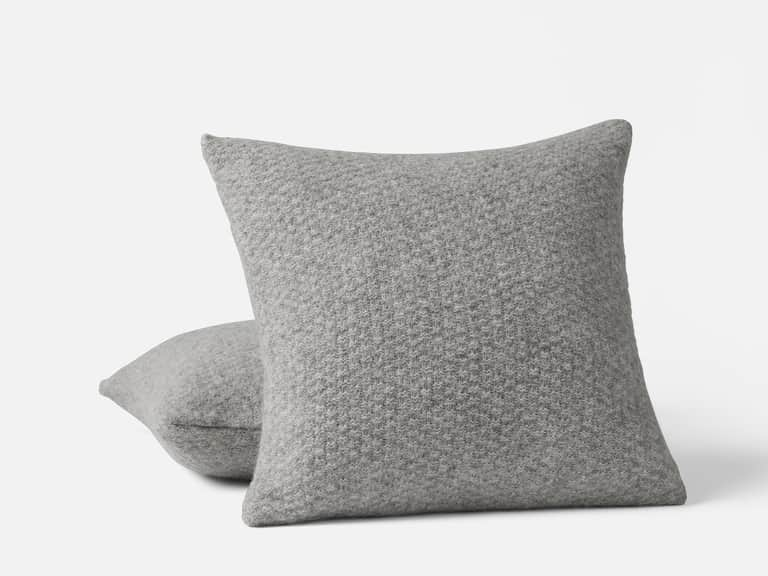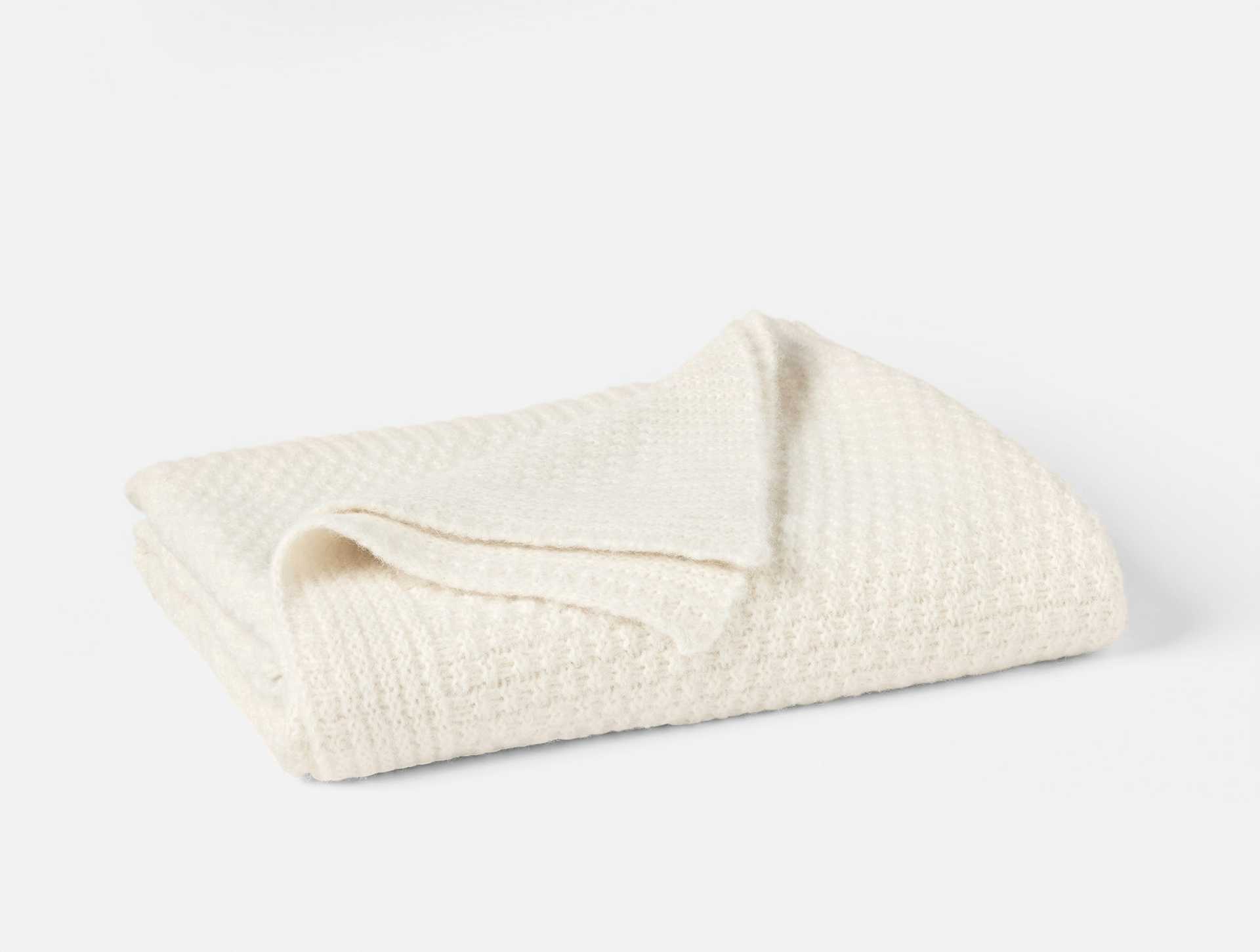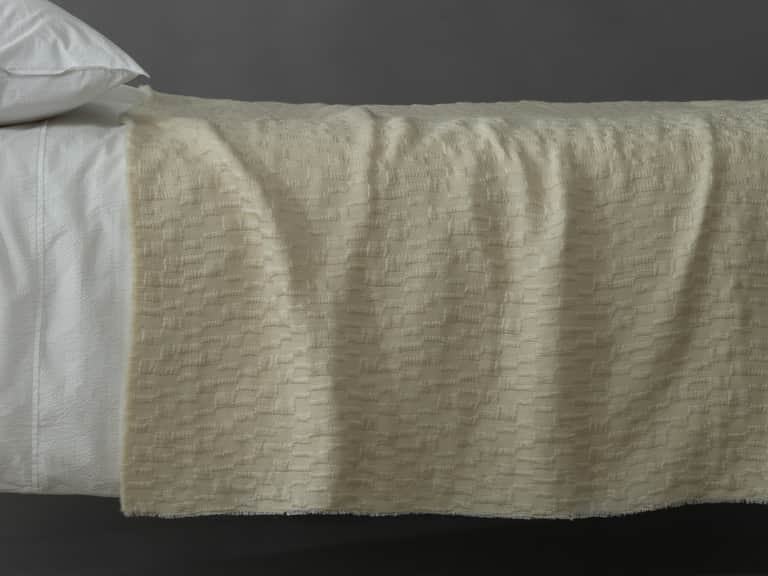
Layal Bedcover
Wrap yourself in cozy luxury with a soft, textured jacquard bedcover that drapes beautifully over bed or sofa, blending alpaca, wool and silk for warmth, depth, and a refined, tactile feel.
A careful walk through the fiber, the weave, and the ethics that shape cashmere into more than a luxury. This is a practical, literary examination of how to discern genuine quality in cashmere textiles, from the diameter of the fiber to the subtle finish that separates a fine throw from a cherished heirloom.
Cashmere exists in the quiet margins between science and seduction. Its signature attributes—very fine diameter, long staple length, and a gentle crimp—translate into what we feel as softness, warmth, and resilience. A cashmere fiber is not a single, uniform thread; it is a consortium of filaments that coil, weave, and loft in response to heat and time. The diameter, measured in microns, is the most immediate indicator of tactile loft. When merchants speak of “fine” cashmere, they are speaking of fibers often under 15 microns in diameter. But softness is not a merely cosmetic preference; it is the result of a delicate balance between fiber fineness and the strength of the fiber’s cuticle.
Beyond diameter, staple length—the distance a fiber can be drawn before breaking—matters. Longer fibers yield smoother hand, fewer pills, and more even wear. In examining a cashmere sample, you can look for uniformity in fiber appearance and a consistent pull without excessive shedding. The crimp, that natural waviness, contributes to warmth by trapping air. A healthy crimp pattern is neither rigid nor sparse; it breathes and returns to its baseline after flexing, which translates into resilience in a finished fabric.
Practically, how do you test quality without a lab?
These tactile cues are not about esoterica; they are about the daily experiences of wearing or draping cashmere. The hand, the warmth, and the subtle way a throw settles on a chair—these are the lived tests of quality that echo long after the purchase is made.
The second act in premium cashmere lies in how the fibers are assembled. The weave type sets the stage for texture, durability, and the way warmth is distributed across a surface. A dense twill or a balanced plain weave will behave differently from a loose, airy knit when used in blankets or throws. Weight—often expressed in ounces per square yard or grams per square meter—speaks to warmth, but not in isolation. A heavier weave with poor finishing can feel stiff and coarse; a lighter weave with superb finishing can feel luxurious and effortless.
Finishing is where the craft reveals itself. Finishing steps—de-pilling, brushing, and napping—alter the surface character without modifying the core fiber. A properly finished cashmere blanket should reveal a soft texture with minimal surface fuzz and a uniform nap. Finishing also includes edge treatments, such as meticulous binding or a clean, raw edge that mirrors the garment-like attention given to luxury scarves and wraps. When you examine a cashmere throw, inspect the edges for even stitching, secure bindings, and a hand that suggests longevity rather than disposability.
Consider a thoughtful, all-cashmere throw that balances weight and loft: a fabric that is neither so heavy that it imprisons warmth nor so light that it lacks body. In premium cashmere, the weave density (often referred to as the fabric’s “loom width” or “density”) helps determine how warmth is distributed—whether warmth feels enveloping or precise, almost like a gentle embrace on a cold evening. The goal is a fabric that is breathable enough to avoid overheating while providing a consistent, luxurious presence on the bed or sofa.
One practical approach to evaluating construction quality is to study the product’s technical specification and, when possible, ask suppliers about the weave pattern, the yarn count (which relates to thickness), and any finishing processes such as pilling control or surface softening. A credible maker will be transparent about these steps, because they are the invisible gears of perceived luxury.
In the premium cashmere conversation, ethics is not a separate chapter but a central thread. The very yarn of a product’s story—where the cashmere comes from, how the goats are cared for, and how workers are treated—inflects the quality of the final textile. A product that embodies responsible sourcing often carries certifications or transparent sourcing narratives that reassure the consumer about animal welfare, environmental stewardship, and fair labor practices.
Look for credible certifications and questions to ask suppliers:
Ethics shapes the long-term value of cashmere. A product that is responsibly produced tends to bear up under scrutiny and usage: it ages with grace, resists pilling, and maintains its loft over years instead of seasons. The ethical dimension is not a marketing add-on; it is the backbone of a textile’s integrity.
Labels are the most immediate, if imperfect, guides to quality. A label that proclaims “100% cashmere” but lacks a provenance story invites closer inspection. In practice, many so-called cashmere products are blends—cashmere with merino wool, for example—that alter hand feel, warmth distribution, and durability. Distinguishing blends from pure cashmere requires a few careful checks, including fiber content percentages and country of origin, both of which should align with the advertised performance and price point.
A well-constructed cashmere blanket may still be part of a luxury blend, but the premium grade cashmere will often emphasize higher cashmere content and meticulous finishing. If 100% cashmere feels too delicate for heavy daily use, consider blends that marry cashmere’s softness with the resilience of other fibers while maintaining the sensory luxury. The key is to know what you value: pure cashmere for pure softness and long-term patina, or a balanced blend for higher durability with a similar hand.
For readers who seek a non-commercial education, the takeaway is: educate yourself about fiber content, verify ethical claims, and judge the product by its performance in your daily life—the way it drapes, how it wears, and how easy it is to care for over time.
Premium cashmere rewards care that respects its delicate nature. The most timeless cashmere pieces—whether a sumptuous throw or a sleek scarf—will outlive trends only if cared for with mindfulness. Some guardrails are simple: gentle hand washes or cold-water machine washes on delicate cycles when permitted by the fiber’s finish, air drying away from direct heat, and storing folded rather than hung to preserve the fabric’s loft and surface integrity. Avoid harsh detergents and high-alkaline environments that can strip natural oils and dull the hand.
Pilling is a natural phenomenon in cashmere, especially in everyday wear. Regular, gentle de-pilling with a fine comb or specialized tool can maintain a smooth surface without harming fibers. The key is to treat pilling as a signal rather than a flaw—indicative of use but not evidence of poor quality if handled with care. With premium cashmere, the goal is to keep the fabric feeling light and soft, preserving the sense of luxury that first drew you to it.
In the end, longevity becomes a suite of small rituals: proper washing, careful handling, correct storage, and thoughtful use. A true premium cashmere piece becomes a companion, aging with you as your tastes evolve, rather than fading into dust with every wash or rough handling.
Within the catalog of refined textiles, certain pieces embody the marriage of form and function that this guide aims to celebrate. A notable example that aligns with premium cashmere storytelling is the Layal Bedcover. It is a jacquard-woven blend described as 43% alpaca, 42% wool, and 15% silk, offering a tactile density that respects the desire for texture and warmth in a bedroom setting. The product’s specifications—Jacquard weave, delicate weight, and refined finish—mirror the craftsmanship discussed above. Link to the product here: /products/layal-bedcover-5375.
Another example worth attention is the Cordillera Alpaca Cotton Knit Throw, a Peru-woven seed-stitch piece that blends alpaca with Pima cotton for breathable warmth. Its construction and material integrity echo the care and attention described in this guide. Link to the product here: /products/cordillera-alpaca-cotton-knit-throw-6366.
These items underscore a broader principle: when evaluating cashmere and related luxury textiles, the best choices emerge from transparent storytelling about fibers, weaving, and ethics. They anchor the discussion in real-world objects that readers can admire for their tactility and longevity, rather than abstract claims of opulence.
Quality in cashmere is not a single metric but a constellation. It lives in the fiber’s fineness and length, in the weave’s discipline, in the finishing that softens edges rather than hides imperfections, and in the ethical commitments that sustain the craft. The premium cashmere experience invites a patient, educated gaze: you test with your hands, you listen to the fabric’s fall, you weigh the narrative behind the label, and you honor the care that keeps the fiber circulating in a sustainable loop of use and reuse.
In a world that negotiates luxury with a quick scroll and a brisk click, the discipline of quality remains a slow, attentive act. It is both science and poetry—the measure of diameter and the hush of a hand running along a softly brushed surface. If you leave this page with a refreshed vocabulary for fiber and fabric, and a more confident eye for ethically sourced, meticulously finished cashmere, the article has achieved its modest aim: to illuminate a field where softness is earned through labor, patience, and reverent attention to craft.
Within the curated selections on this site, two items exemplify the quality narrative described above. Layal Bedcover (5375) is a jacquard weave that blends alpaca, wool, and silk for a tactile, textured effect, crafted with a refined sensibility in mind. Cordillera Alpaca Cotton Knit Throw (6366) is a seed-stitch knit woven in Peru, balancing the warmth of alpaca with breathable cotton for daily luxury. These pieces illustrate how modern luxury textiles can sustain a careful relationship with traditional craftsmanship and responsible sourcing.
For readers seeking further context or additional examples, the product pages linked above provide technical details, care notes, and origin information that complement the article’s themes without resorting to superficial glamour.