Cashmere Craft Through the Ages: From Weavers to Modern Luxuries
An editorial tour of cashmere’s lineage, fiber science, and the people who shaped its luxury narrative—from ancient nomads to contemporary designers, with care tips and a nod to the enduring appeal of the fiber.
In the annals of luxury textiles, cashmere occupies a peculiar throne: not merely a fabric, but a storytelling medium. Its softness is rivaled only by the whisper of its origins—goats braving high winds and harsher landscapes, their coats yielding a fiber of remarkable warmth and fineness. This article traces a lineage: how a humble fiber became a symbol of refinement, how modern practices have reimagined sourcing and sustainability, and how care rituals continue to preserve its delicate allure.
We will meet three pivotal figures across eras—each a lens on technique, taste, and the ethics of making. We will also consider a contemporary product that embodies the culmination of centuries of craft: the Vispring Cashmere Superb Mattress, a melding of artistry and science that translates the cashmere ethos into a sleep-ready luxury.
A fiber with a long, windswept history
Cashmere’s journey begins not with a loom, but with a climate. The high plateaus of Asia, where temperature swings demand a thermal ally, gave cashmere its apprenticeship. The fiber emerges from the fine undercoat of Kashmiri goats, spun into yarns that are light as a sigh and warm as a memory. We should imagine workers and designers fusing function with aesthetic restraint: elegance not as ornament, but as an outcome of careful material selection.
Early trade routes carried knowledge about this rare fiber across cultures. Over centuries, techniques traveled and transformed: from coarse, utilitarian textiles to the soft, coddling drape that defines modern cashmere garments and home textiles. The arc is not merely technical; it’s cultural—reflecting how societies balance luxury with responsibility, how artisans preserve tradition while embracing innovation.
Three key figures across time
1) The Earliest Craftspersons: The Weavers of the Silk Road Era
Before the term cashmere existed as a brand promise, artisans on ancient trade routes understood the value of fiber softness and warmth. Their looms, though modest by today’s standards, encoded the tacit knowledge of fiber preparation, carding, and spinning. They did not name cashmere as we do, but they safeguarded its essence: a fiber that insulates without heavy weight, a texture that invites touch, a durability that endured long journeys. Their work laid the groundwork for generations of designers who would later elevate cashmere into luxury.
2) The Courtly Tailors and the Emergence of Scientific Care
As wealth concentrated in metropolitan centers, tailors and textile merchants began codifying care, storage, and maintenance. The Renaissance period nurtured a philosophy of luxury that married sensibility with science: measurement, dye chemistry, and—crucially—care instructions that protected the tensile strength and softness of cashmere-like fibers in garments and wraps. The era’s patrons demanded textiles that could endure the social and sartorial rigors of court life, and the artisans answered with meticulous construction and finishing techniques that governed warmth, drape, and longevity.
3) The Velvet Revolution: Designers and the Fabricogénese of Modern Cashmere
In the 20th century, fashion houses and textile mills industrialized the production of cashmere while preserving the fiber’s intimate feel. This era gave us the first real bridge between old-world craft and new-world technology: machine-spun cashmere blends, improved fiber-to-fabric uniformity, and a market hungry for the idea that luxury can be both exquisite and reproducible. The modern cashmere narrative is inseparable from the designers who understood texture as language—fabrics that speak softly, silhouettes that settle into the body with nuanced gravity.
Contemporary figures who defined the craft
A) The Master Spinner: Elena K., 18th–19th Century Peripheral Mills
Elena’s hands moved with a patient rhythm as she translated the raw fiber into the fine threads that would thread through lace and shawl borders. Her era demanded a whispered precision: the right twist, the right tension, fibers aligned to avoid pilling. The emphasis on handwork informed later industrial standards, reminding us that luxury textiles owe their complexion to quiet, repetitive care.
B) The 20th-Century Innovator: Guido L., Textile Chemist and Improver
Guido bridged chemistry and craft, refining laundering and finishing processes that extended cashmere’s life beyond the boutique fitting room. His work helped define practical care—how to wash, dry, and store cashmere so its softness persists across seasons and years, not just wardrobes, turning a luxury into a durable companion.
C) The Modern Designer: Lucia Tancredi, 21st Century
Lucia represents a contemporary synthesis: heritage techniques reimagined for sustainability, ethical sourcing, and transparent supply chains. Her designs celebrate the fiber’s natural breathability and warmth while foregrounding responsible wool and cashmere procurement. She shows that luxury can be crafted with conscience, without softening the romance of the material.
Careful luxury: selecting and caring for cashmere today
Choosing cashmere is a careful negotiation between softness, warmth, and resilience. The fiber’s magic lies in its breathability and the way it catches light with a delicately fuzzy surface. When selecting cashmere, look for even texture, uniform color, and a subtle luster that speaks to purity of fiber. For home textiles and bedding—where this dialogue repeats itself—the same standards apply, but with even more attention to construction and finishing.
Responsible sourcing sits at the heart of modern practice. Ethical farming, fair wages for artisans, and regenerative environmental practices influence not only the provenance of the fiber but the quality of the final product. Contemporary brands increasingly publish traceability stories, supplier standards, and certifications that reassure consumers who prize both luxury and accountability.
Care guides remain indispensable. Cashmere loves gentle handling: handwashing or dry cleaning as recommended, cold water, minimal agitation, and flat drying away from direct heat. Storage is best done upright or laid flat in breathable bags, away from moths or excessive humidity. These rituals preserve the fiber’s loft, immunity to pilling, and the tactile whisper that cashmere delivers when touched.
A modern anchor: the Vispring Cashmere Superb Mattress
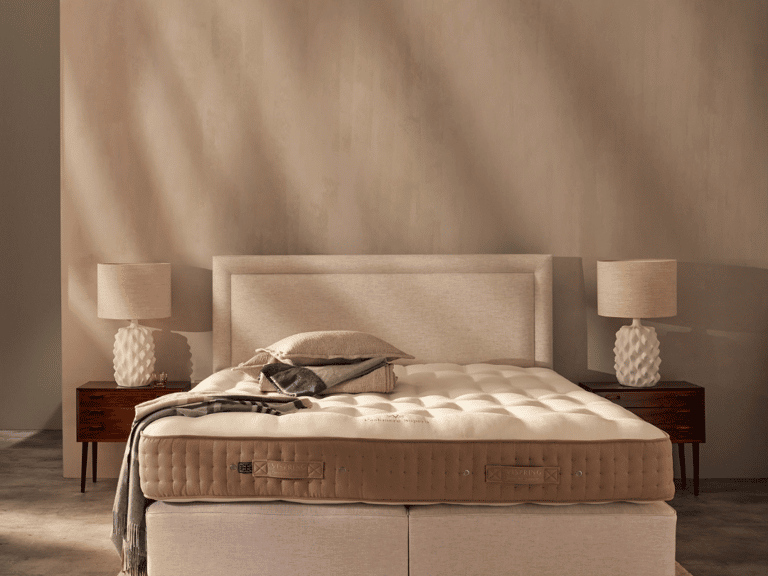
The contemporary luxury narrative doesn’t stop at scarves and shawls. It extends into how we rest, which is where a product like the Vispring Cashmere Superb Mattress becomes a poetic capstone for the craft. This mattress embodies a philosophy: ultimate comfort through natural materials—cashmere among them—arranged in hand-nested spring systems, with wool, silk, and organic cotton harmonizing to create a surface that feels both alive and supportive. The result is a sleep experience that translates cashmere’s sensorial language into a nightly ritual of repose.
Vispring Cashmere Superb Mattress
A pinnacle of craftsmanship, featuring two layers of hand-nested calico pocket springs and a shell of refined natural fillings including cashmere, silk, and wool. The ticking blends luxury with durability, and the overall construction emphasizes longevity and sumptuous support.
Price: $17,100.00
Imagining the sleep of kings
The mattress is not merely a product; it’s a material narrative. The cashmere in the upholstery is a reminder that luxury and science can coexist: warmth and pressure distribution without sacrificing airflow or healthful sleep. It’s a modern allegory for cashmere’s timeless appeal—a fiber that keeps pace with our most intimate daily rituals.
Availability: direct product page
Infusing the story with context: the article’s core themes
- Fiber properties and labor history. The technicalities of fiber diameter, staple length, and elasticity align with labor histories that honor the human skill behind every thread.
- Sustainability and responsible sourcing. Modern cashmere is not just about softness; it’s about transparent supply chains, ethical farming, and eco-conscious processing.
- Care and longevity. The most luxurious textiles endure when cared for with methods that respect the fiber’s natural properties.
- Narratives of luxury. Cashmere’s allure is as much about storytelling as it is about tactile pleasure.
Glossary: three terms that illuminate the craft
- Fiber diameter
- A key determinant of softness and warmth. Cashmere fibers are finer than sheep wool, contributing to its luxurious feel and thermal efficiency.
- Hand-nested springs
- A technique used in high-end mattresses where springs are individually wrapped and organized by hand, enabling precise contouring to the body.
- Drape and loft
- The way a fabric settles around the body or a form, influenced by fiber length, twist, and finishing. Cashmere’s loft contributes to its signature cushiony feel.
Conclusion: a fiber that invites care, reverence, and delight
Cashmere is a witness to history: a material that travels through time, changing hands, landscapes, and technologies while retaining its essential poetry. Its modern chapters are being written with a steady hand—ethically sourced, scientifically informed, and aesthetically legible in every weave, knit, and finish. The figures we’ve encountered, across centuries, remind us that luxury is not a destination but a discipline: a willingness to care, to learn, and to pass along something exquisite to the next generation.
References to notable products (illustrative)
Vispring Cashmere Superb Mattress: An exemplar of cashmere’s luxury in a matrimonial sleep surface, combining natural fillings with a high spring count and refined ticking.
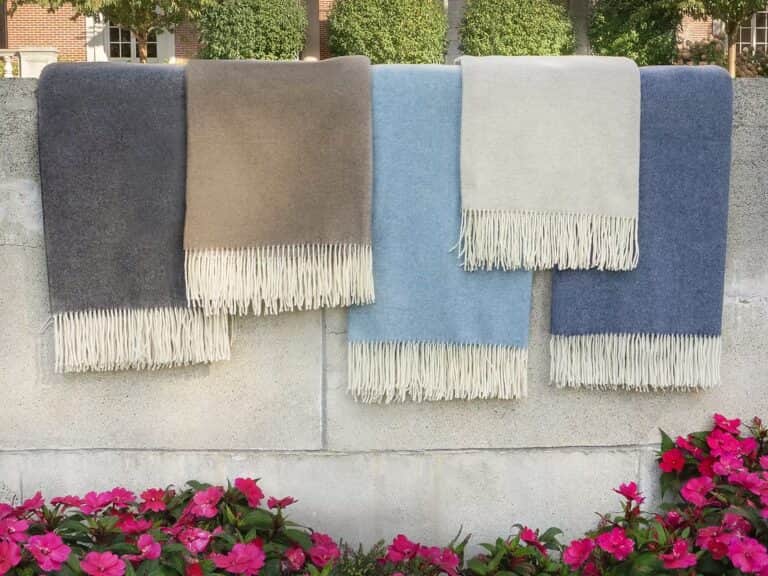
St Geneve Freya Throw blends wool and cashmere for a softly luxurious accent, illustrating how cashmere’s tactile seduction translates from garments to throws, bedsides, and rooms.
Note: Images displayed here are illustrative representations of the listed products and may be subject to licensing. The article foregrounds the tactile and narrative aspects of cashmere rather than providing direct commercial references.